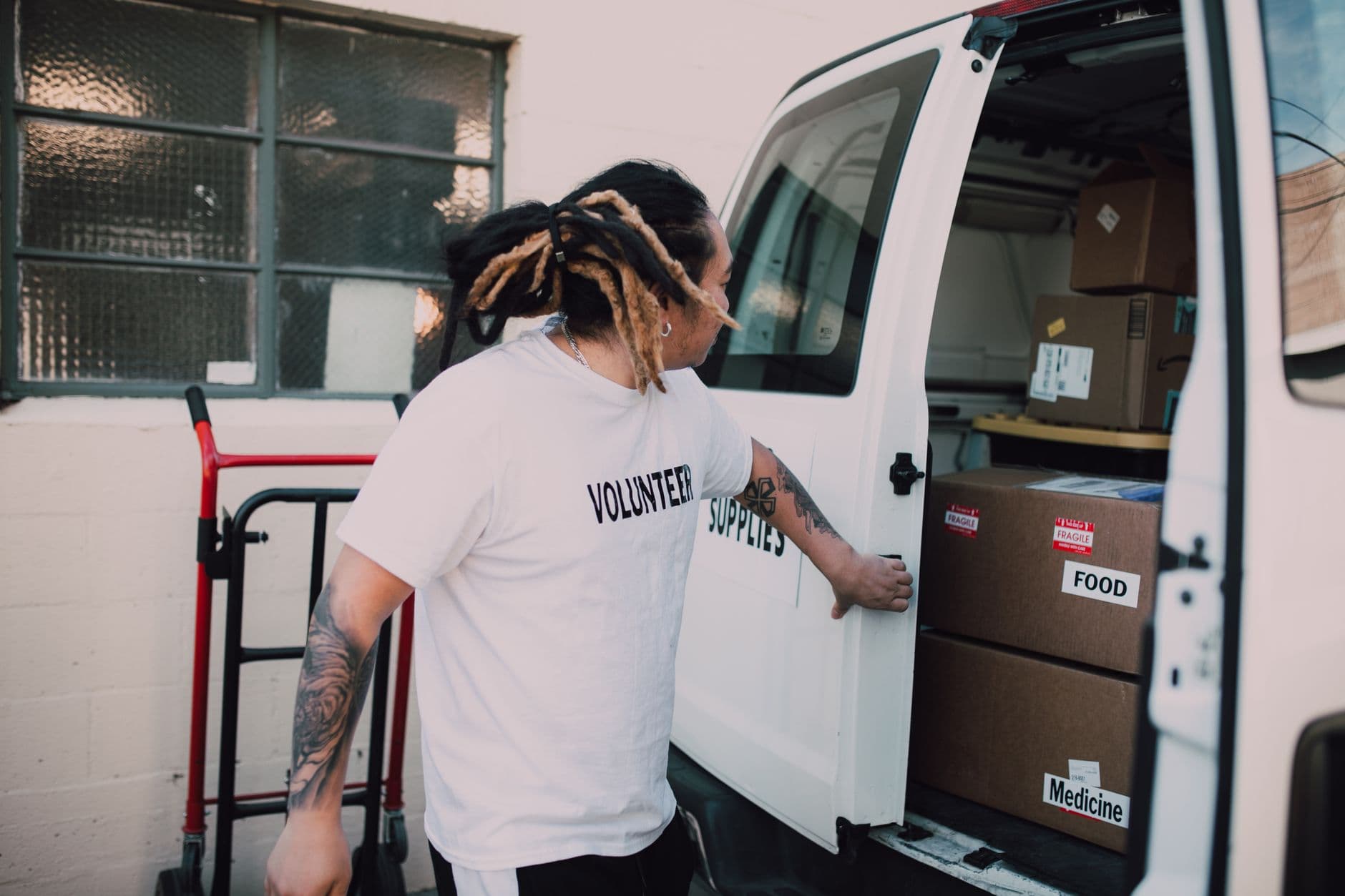
Every fall, someone at a nonprofit board meeting or a 4-H fundraiser asks the same question: can I deduct the time I spent doing this? The honest answer disappoints most people. The IRS has never allowed a deduction for the value of your labor, no matter how many hours you gave or how specialized the skill. What trips people up even more is the flip side: many volunteers assume that because their time isn't deductible, nothing about their volunteering is. That's wrong too, and it can mean leaving real money on the table every April.
The out-of-pocket costs tied to volunteer work are often fully deductible. Mileage, supplies, uniforms, even some travel expenses can qualify if you know the rules and keep the receipts to back them up. Here's what actually counts, what doesn't, and how to document it so the deduction survives if the IRS ever asks.
Why your time doesn't show up on Schedule A
The IRS treats a volunteer's hours the same way it treats a gift of appreciated goodwill: real, valuable, and not something with a dollar figure attached for tax purposes. A CPA who spends 20 hours preparing a nonprofit's books for free can't deduct what those hours would have billed at. A contractor who frames a Habitat for Humanity house on a Saturday can't deduct the going rate for framing labor. This holds true no matter the skill level or the market rate for that work.
What changes the math is money you actually spend, out of your own pocket, in service of that volunteer work. IRS Publication 526 (opens in new tab) draws a clear line between the value of services (never deductible) and unreimbursed expenses connected to those services (deductible, with conditions).
The organization has to qualify before anything else does
Before any expense counts, the organization you're volunteering for has to be a qualified charity under IRS rules, generally a 501(c)(3) or similar tax-exempt organization. Volunteering for a political campaign, a for-profit business, or an informal group that hasn't filed for tax-exempt status won't produce a deduction no matter how good the cause is. Churches, most 4-H and FFA chapters, hospitals, and registered nonprofits typically qualify. If you're not sure about a specific organization, the IRS Charities & Nonprofits resource hub (opens in new tab) lets you check exempt status before you start tracking expenses.
This matters more than people expect in a farming and small-town community like Brookings, where a lot of giving happens through grain donations to church fundraisers, sponsorship of 4-H livestock shows, or unpaid board service on a co-op or credit union board. Some of those relationships qualify. Some don't. Confirming status up front saves a headache later.
Mileage, supplies, and travel volunteers actually miss
Three categories cover most of the deductible expenses volunteers overlook:
Mileage. If you drive your own vehicle to and from volunteer work, you can deduct actual gas and oil costs directly tied to the trips, or use the standard charitable mileage rate, which is set by statute at 14 cents per mile. That rate hasn't moved with inflation the way the business mileage rate has, so it's modest, but it adds up for someone driving to deliver Meals on Wheels three times a week or hauling supplies to a fairgrounds cleanup.
Supplies and uniforms. If a charity asks you to buy and wear a specific uniform that isn't suitable for everyday use, that cost is deductible. Same with supplies you purchase and donate to the cause, like paint for a community mural project or feed for animals at a 4-H demonstration barn, as long as you weren't reimbursed.
Travel away from home. If you travel to volunteer at a convention, a disaster relief effort, or a mission trip, and there's no significant element of personal vacation involved, reasonable travel costs including lodging and meals can be deductible. The rule gets stricter here: if the trip has meaningful personal recreation attached, the IRS can disallow the whole thing, so this is a category worth reviewing with a CPA before you assume it qualifies.
What never qualifies: the value of your time, lost wages from taking time off work to volunteer, and the cost of your regular clothing even if you happen to wear it while volunteering.
Keep the paper trail or lose the deduction
The IRS doesn't take your word for unreimbursed volunteer expenses. For any single contribution of $250 or more, you need a written acknowledgment from the organization describing the services you provided and confirming you received nothing of value in return. Below that threshold, your own records, mileage logs, receipts, and bank or credit card statements, need to be good enough to reconstruct the expense if asked.
Most people who lose this deduction on audit don't lose it because the expense wasn't real. They lose it because they didn't write anything down at the time and can't rebuild six months of mileage from memory in March. A simple habit works better than any app: log the date, destination, purpose, and miles every time you drive for a qualified organization, right when it happens.
Itemizing is the real gatekeeper
Here's the detail that catches even careful record-keepers off guard: none of this matters unless you itemize deductions on Schedule A instead of taking the standard deduction. With the standard deduction sitting well above what most individual filers can itemize their way past, a lot of volunteers with legitimate, well-documented expenses still end up taking the standard deduction because it's simply larger. That doesn't mean the record-keeping was wasted. Charitable mileage and expenses stack with mortgage interest, state taxes, and other itemized items, and for some years, particularly ones with a larger cash gift or a big medical expense, itemizing does come out ahead. Reviewing this each year, rather than assuming it will play out the same way it did last year, is where a year-round conversation with your accountant pays for itself.
For board members and business owners who volunteer through the business
Professional service owners and farm operators in Brookings often serve on co-op boards, ag lender advisory committees, or nonprofit boards connected to their industry. When that volunteer work overlaps with business activity, the deduction rules get more nuanced. A farmer who donates grain directly to a qualified charity, for example, may get better tax treatment than one who sells the grain and donates the cash, because the donated commodity can avoid triggering income in the first place. A business owner who underwrites a 4-H show as a sponsorship, rather than a straight donation, may be looking at a deductible marketing expense instead of a charitable one, with different substantiation rules attached.
This is where it helps to have someone who already knows your entity structure look at the specific gift before you assume which bucket it falls into. Our CPA team, including Julie Underwood, CPA, reviews these situations as part of year-round tax planning rather than waiting until the return is due, because the classification often depends on decisions made months before filing season, not after.
If you're an individual filer trying to sort out what qualifies before you sit down with your documents, our personal income tax preparation process walks through exactly this kind of question as part of the return, not as an afterthought. And if you just need a running checklist of what to save throughout the year, our forms, documents, and links library has templates that make mileage and expense tracking less of a chore.
Common Questions
Can I deduct the value of professional services I donate to a nonprofit, like legal or accounting work? No. The IRS specifically disallows a deduction for the value of services performed, no matter how specialized the skill or what you'd normally charge for it. Only unreimbursed out-of-pocket expenses connected to that volunteer work, like mileage or supplies, are deductible.
Do I need a receipt for every small volunteer expense? For donations of $250 or more, yes, you need written acknowledgment from the organization. Below that, you still need reliable records, a mileage log, receipts, or bank statements, good enough to reconstruct the expense if the IRS asks. Track it when it happens rather than trying to rebuild it later.
What's the mileage rate for driving to volunteer activities? The standard charitable mileage rate is 14 cents per mile, set by statute rather than adjusted annually for inflation like the business rate. You can also deduct actual gas and oil costs for the trip instead, whichever method you choose, keep a log of dates and destinations.
Is it worth tracking volunteer expenses if I usually take the standard deduction? Often yes, because your situation can change year to year with a larger gift, a medical expense, or a change in income that makes itemizing worthwhile. Keeping the records costs almost nothing and preserves the option, even in years the standard deduction still wins out.
If you volunteer, sit on a nonprofit or co-op board, or run a farm or professional service business and aren't sure which of your charitable activity actually qualifies for a deduction, get in touch with our team before filing season gets busy. A short conversation now can save a missed deduction, or an uncomfortable audit question, later.